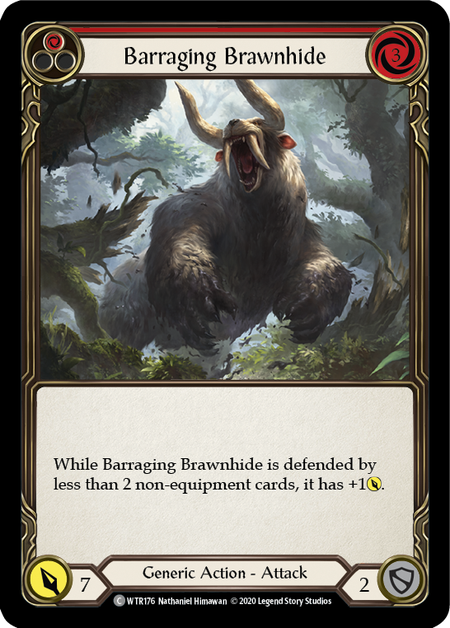
Inspired by historical duels, fighting games, and the core design and formats of Flesh and Blood TCG, I wondered if there was a more interesting way to play a best of three.
Recently, I heard from a
professional weapons, armor, and martial arts historian about evidence showing that in some
medieval-era trials by combat or later modern-era duels in Europe would
allow each combatant to have a set of three weapons, and what some of those weapons were and where to look for more information about them.
I've known about historical
duels (and tournaments and many of their oddities and mind-bogglingly alien shortcomings) since I was a kid, but it had been a long
time since I had done any deep researching or reenacting or armed
combating (unless you count games like MTG, D&D, and WoWTCG).
As
someone with a hyper-active imagination and deep desire to research, I
can't help but come up with new rules, new game variants and modes, or
bump into new information and run wild with it and rope in other enthusiastic people to take it a step further.
But this time, instead of getting together a bunch of people from my
local pub to spread the word and, if able, bring their armor to a random field for a mock trial by
combat over the claiming of a mug of craft beer, or slice of pizza, or
horn of magnificently-aged mead, I wondered how to apply the concept to
my current hobby: Flesh and Blood.
What if instead of playing a best of one each round during the playoffs or grand finals at your local game store or small private table, you played a best of three with different weapons each round? And what, exactly, was involved in the historical duels I was inspired by?
Historical Precedents
In a trial by combat to decide which of the accusers and defendants is righteous without proper evidence (or the willingness to wait patiently and search for evidence or talk over the matter and come to a mutually or legally agreeable settlement), the one who killed the other or the defendant who was not injured in one long bout progressing from long to medium to short weapons would be declared the winner of the argument. (Codex Wallerstein. Gladiatoria. Hans Talhoffer 1449, Fechtbuch 1459, and 1467. Jeffrey Hull, Fight Earnestly - the Fight-Book from 1459 AD by Hans Talhoffer, 2007.)

"The first two bindings with the pike on the weak and strong"
All illustrations by Jörg Breu the Younger from Opus Amplissimum de Arte Athletic (MSS Dresd.C.93/C.94) by Paulus Hector Mair, with translations by Keith P. Myers.
Many of the details about how these duels tended to start aren't applicable to a card game, and it's in the intricacies of the actual fighting and the teachings and writings and experiences of martial artists specializing in training people for these duels that fascinate me. From inspiring to mind characters, to fighting styles and specific approaches to an engagement and chains of attacks, to, of course, particular kinds of equipment and peculiar weapons.
The
weapon set combatants tended to bring (or be given) was a spear or
poleaxe (rarely a "greatsword"), a sword (longsword, sometimes a
messer), and a dagger (Peter von Danzig 1452), and sometimes a buckler
or pavise. Combatants would meet fully armed, starting with their
longest weapons equipped, then progressing to shorter and shorter ones
over time as necessary.

"A Cut with a Throw out of the Hacken (Leg Hook)"

"A Double Thrust to the Face"

"A Strike from above with a Throw"
At times, a "long shield" (also
called a "dueling shield") with large spikes or hooks might be used,
either with a medium weapon (sword or mace) or on its own in a certain
style of grappling.
Duels could be fought
specifically with swords between nobles and maces between peasants (as
wooden-hafted maces were much cheaper and readily available), sometimes
with a buckler or long shield. Duels were also expected progress to
wrestling after daggers, or at any point a combatant could employ
grappling or other techniques against their opponent to disarm them or
knock them prone.

"A Double Thrust to the Face"
Historically, some of these duels were seen as being decided by a deity, but not all. In Germany, for example, scholars distinguished between a "means of reaching a decision" and a "means of obtaining proof" in which the religious/cultural belief that a deity would would decide who is right (by allowing the just combatant to live and their opponent to die) fell under the former, in contrast to evidence, investigations, and/or legal processes which fell under the latter. (Hugh T. Knight, Jr., Some Observations on the Judicial Duel as Practiced in Fifteenth-Century Germany, 2018. Robert Bartlett, Trial by Fire and Water: The Medieval Judicial Ordeal, 1986.)

"Afterword"
" Behold, good gentlemen, here lies the man
who vilely lied about me, and
God knows what falsehoods he of late
accused me for in envy and hate
He betrayed me as he thought he might
bring to my reputation malice and spite.
He wanted to soil my good name
and slander me for evil shame
but God and the virtuous spirit of mine
defended have my life this time
God that gave me courage and power,
so that I was the victor upon this hour,
and won to day in a most honorable way,
For that I thank almighty God in all my days,
Forgive him for his sins O Lord above, you may
He has received his punishment today,
I am only content as here I stand,
defended have my honour with my hand
which is demanded of a man of my station,
who cherishes his name and his reputation. "
Humans are so bizarre.